
Finestre
Visiona la gamma di finestre in alluminio, pvc, legno, ferro e materiali combinati di Mia Infissi e contatta un nostro professionista.
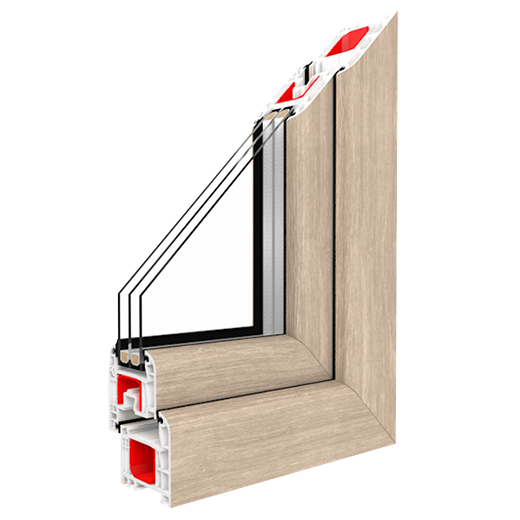
Porte
Scopri la varietà di porte prodotte da Mia Infissi nelle varie combinazioni di materiali insieme alle loro applicazioni migliori.

Sistemi scorrevoli
Scopri i sistemi scorrevoli prodotti da Mia Infissi: serramenti per soluzioni salvaspazio per ambienti ridotti.
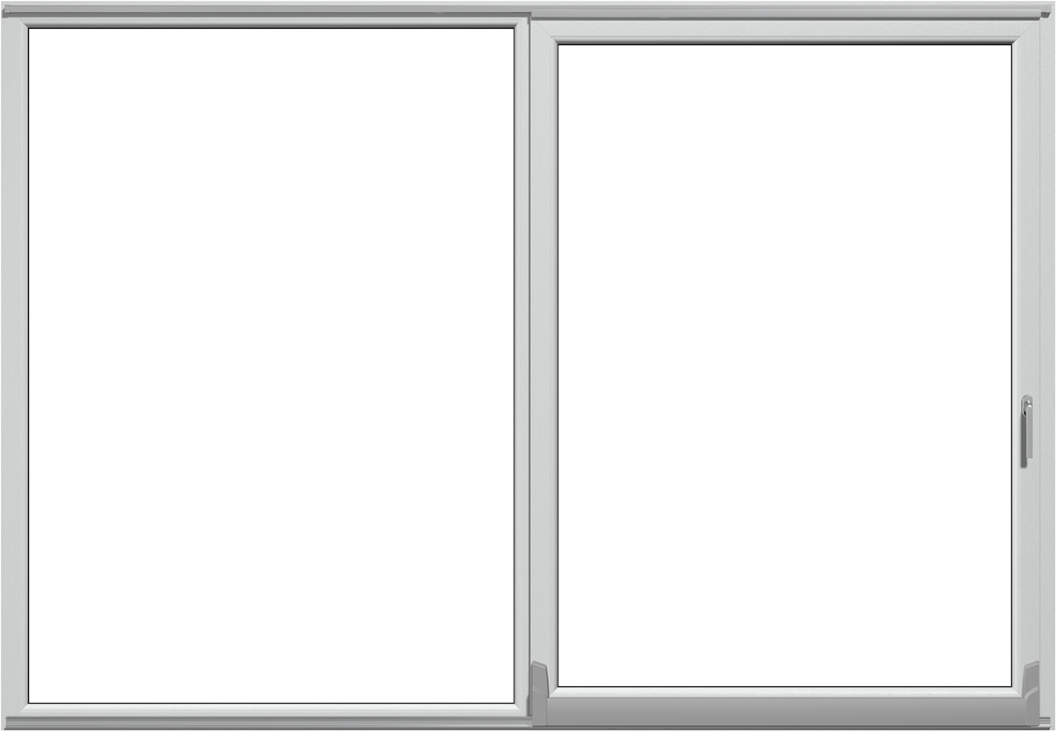
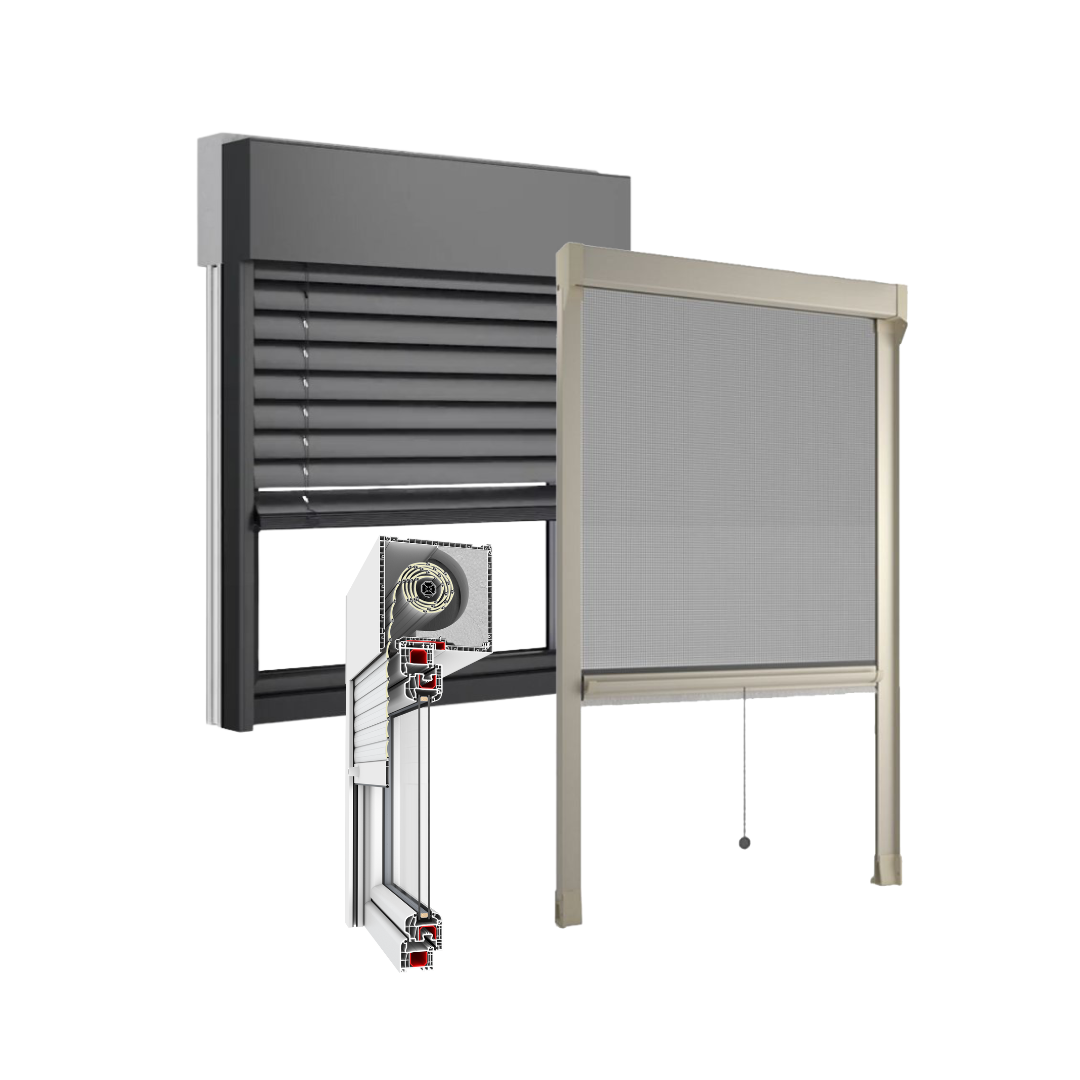
Accessori per finestre e porte
MIA INFISSI propone numerosi accessori per arricchire le finestre e le porte.
Test Post Created
Luglio 23, 2026Test Post Created
Luglio 23, 2026
How winexch Changes the Way We Interact Online
There’s something refreshing about an interface that feels less like a hurdle and more like a dialogue. Winexch embodies this approach by offering an experience that welcomes users through intuitive design rather than overwhelming menus or endless clicks. Instead of forcing you into a rigid workflow, it adapts to your needs in a way that almost feels like a conversation. This shift in interaction style stands out in a digital landscape crowded with complicated platforms.
For instance, many platforms still rely on dense navigation trees or require users to memorize complex sequences. Winexch steers away from that by emphasizing clarity and responsiveness. It’s worth noting that the system integrates well with familiar tools and payment options like Vipps and BankID, making transactions feel natural and secure for users.
Users curious to see what this interface feels like firsthand can explore winexch to get a sense of how thoughtful interaction design elevates usability beyond the ordinary.
The Psychology Behind a Well-Tuned Interface
What makes an interface feel conversational rather than transactional? A lot comes down to design psychology, where the goal is to reduce cognitive load and encourage user engagement. Winexch employs principles such as progressive disclosure—showing only the necessary information at each step—and consistent feedback, which reassures users they’re on the right path.
From a psychological perspective, interfaces that mimic natural patterns of human interaction help users feel more comfortable and less fatigued. This approach contrasts with older models where users often felt like they were navigating a maze. By structuring tasks as a series of simple, context-aware prompts, winexch ensures that users stay focused and confident.
Practical Tips for Seamless Navigation with winexch
It’s one thing to praise a platform for its design and another to actually make the most out of it. Here are some practical tips to keep in mind when navigating winexch:
- Take advantage of the contextual help features embedded throughout the interface to avoid unnecessary detours.
- Use the saved preferences option to streamline repetitive tasks; this is especially useful in settings where personalization speeds up workflow.
- Be mindful of the platform’s multi-layered security features that integrate SSL encryption and two-factor authentication, ensuring that every step you take is protected.
- Experiment with shortcut keys or quick-access menus tailored to your frequent actions to reduce time spent on routine operations.
From my experience, users often underestimate the value of exploring these tools in the early stages. It’s like learning the nuances of a new language; the more you engage with its quirks, the smoother the conversation becomes.
Integrating with Industry Standards and Providers
Winexch is not just a standalone marvel; it’s designed to play well with some of the most reputable names in digital services. Integration with providers like NetEnt and Evolution ensures that the platform supports a wide range of functions without compromising performance. These partnerships mean that users can expect consistent updates and reliability grounded in industry experience.
Moreover, winexch’s compatibility with common payment gateways such as Vipps and secure identity verification through BankID reflects a commitment to trust and regulatory compliance. This is essential, especially considering the increasing scrutiny around digital transactions and data privacy.
What to Keep in Mind When Adopting winexch
Adopting a new interface inevitably comes with a learning curve, but winexch’s approach minimizes this friction. Still, it’s helpful to remain patient as you familiarize yourself with its flow. Avoid rushing through prompts or overlooking subtle cues—these are there to guide you, not slow you down.
One common pitfall involves ignoring the layered security designs because they can sometimes feel intrusive. However, these measures protect you in the long run and are crucial in preventing unauthorized access. Responsible use of the platform benefits not just the user but the entire network.
Is it perfect? No interface ever is, but winexch strikes a thoughtful balance between simplicity and functionality. It’s a reminder that technology should meet us halfway, not demand that we bend entirely to its will.
Final Thoughts on Conversational Interfaces Like winexch
Interfaces like winexch represent a subtle yet meaningful shift in how we relate to digital tools. The idea that interacting with software can feel like a natural, two-way conversation rather than a chore is compelling. It challenges the old paradigm where users tolerated complexity and instead invites enjoyment and ease.
Of course, the ultimate success of such platforms depends on continuous refinement and listening to user feedback. But from my perspective, this direction—focusing on empathetic design and practical integration—is a step forward for anyone who has ever felt frustrated by cold, rigid systems. Perhaps the future of digital experiences lies in these quiet conversations between human intent and machine response.
